Quick answer
Bakeries and food producers spend on ingredients, labour and equipment before wholesale and retail customers pay. Typical needs include ovens, vans, packaging and seasonal stock. Unsecured funding for trading businesses is typically $5,000 to $500,000, sized on turnover and bank statements; property-backed funding runs from $20,000 to $5,000,000.
Key points
- Perishable ingredients and early starts mean heavy up-front costs.
- Wholesale customers often pay on terms, which stretches the cash cycle.
- Equipment (ovens, mixers, vans) is the classic big-ticket item.
- Seasonal peaks, such as Easter and Christmas, need stock and staff before the sales.
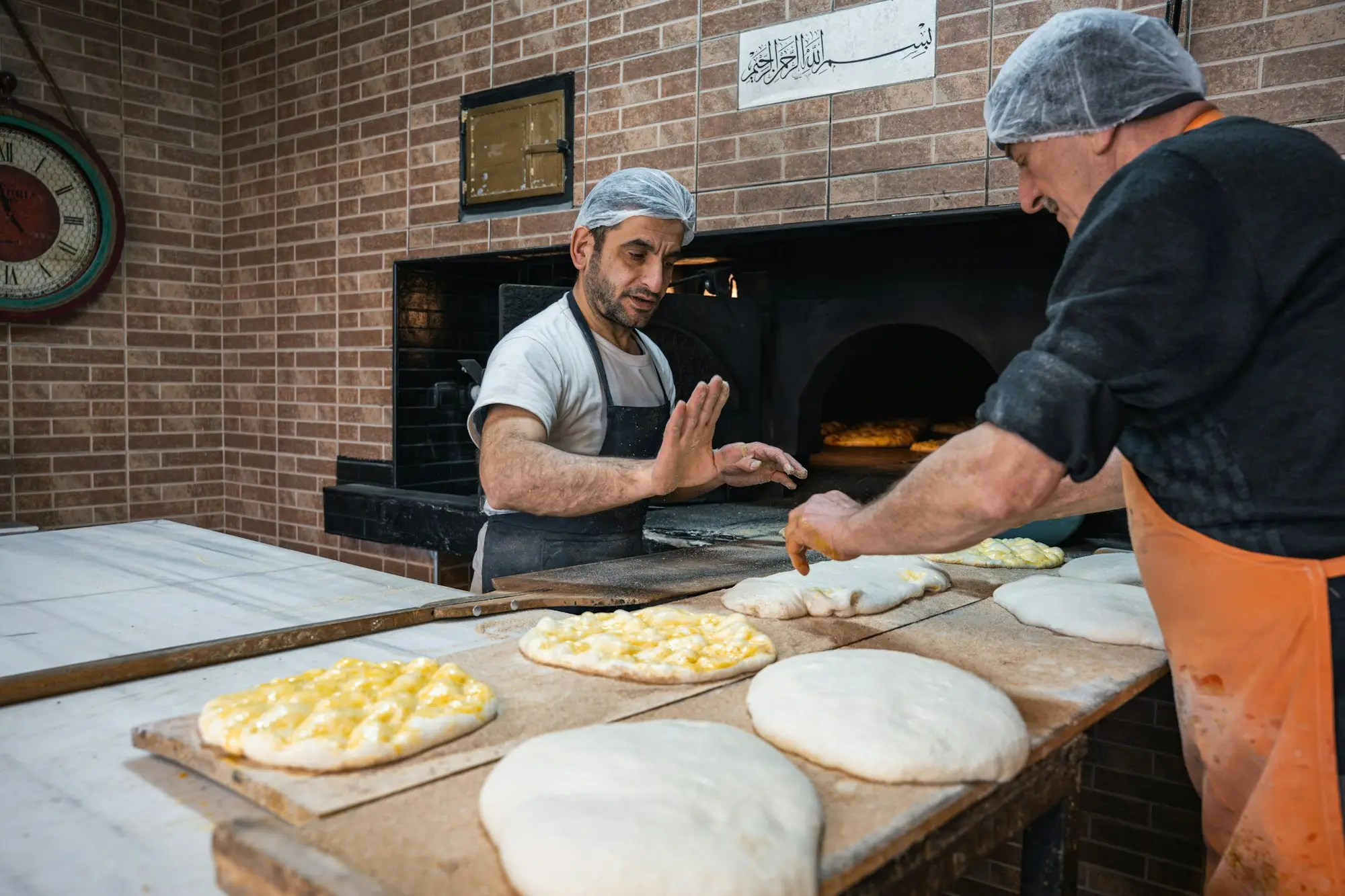
Our name started as a pun, and bakeries are where the pun lives. But the lessons of a bakery’s cash flow apply to every food producer: the pickle maker, the pasta company, the caterer, the small-batch chocolatier. Ingredients, labour and equipment get paid for up front. The money arrives later, from customers with their own habits.
What makes food production cash-hungry?
Three forces work together.
Early costs. Ingredients are bought before the product exists. Labour starts before the first customer. Ovens, mixers, chillers and packaging machines cost real money, and none of it earns until bread or product leaves the building.
Perishability. Unsold stock goes off. That puts a ceiling on how far ahead you can buy and how much you can safely make speculatively.
Payment terms. The cafe that buys your sourdough every morning might pay monthly. The supermarket might pay in 45 or 60 days. Meanwhile the flour merchant wants its money in 14.
Put them together and a growing food business can be profitable on paper and short of cash in practice. The faster it grows, the larger the float.
Which costs usually need funding?
| Need | What it looks like | Likely fit |
|---|---|---|
| Equipment | A deck oven, spiral mixer, proving cabinet, delivery van | Cash-flow loan or property-backed funding |
| Wholesale growth | A big new customer, more staff, longer pay terms | Working-capital loan or line of credit |
| Packaging and branding | New labels, boxes, a rebrand | Smaller working-capital loan |
| Seasonal peak | Easter, Christmas, school terms | Line of credit |
| Premises | A bigger kitchen or a shopfront | Property-backed funding or fit-out funding |
For trading businesses, unsecured funding is typically $5,000 to $500,000, sized on turnover and bank statements. Property-secured funding runs from $20,000 to $5,000,000. See equipment funding for lease-versus-buy thinking, and business.gov.au’s comparison of the two.
How big is the wholesale float?
The float is the money you have fronted to wholesale customers who have not yet paid. A rough estimate: weekly costs multiplied by the number of weeks customers take to pay.
An illustration, with no real bakery behind it. A wholesale bakery has weekly costs of $14,000. Its café customers pay in about 30 days, which is a little over four weeks. The float is roughly $14,000 × 4.3, or about $60,000, at any moment. If the owner holds $25,000 and wants to buy a $40,000 oven, the gap is around $75,000. That number is what any funding needs to cover.
Our Dough gap calculator does the same arithmetic for your own business, and the guide to days to get paid explains why it matters so much.
How do lenders read a food business?
They look for:
- Steady deposits from retail takings and wholesale payments.
- Regular supplier payments, since flour, dairy and packaging bills are a pulse you can feel.
- Customer spread. One huge customer is riskier than many smaller ones.
- Seasonal patterns, explained rather than hidden.
- Equipment plans, with quotes, and an explanation of how the new gear raises output or cuts cost.
Say what you sell, to whom and how the new money lifts the business. A plain paragraph does more than a polished brochure.
What about growth from market stall to shopfront?
It is one of the most common growth paths. Stall income is partly cash and partly irregular, so the paper trail can be thin. Banking your takings consistently, keeping receipts and showing a few seasons of results helps. If you own property, a property-backed loan can carry a bigger move; if not, a staged approach with a smaller unsecured facility often works.
The fit-out page covers the build costs that surprise first-time shopfront owners.
What does a typical growth path look like?
Many food businesses move through recognisable stages, and each one asks for a different kind of funding.
- The proof. A stall, a pop-up or a rented bench in a shared kitchen. Cash is mostly your own, and the goal is to prove people will pay.
- The first premises. A small shopfront or production unit. Fit-out and equipment arrive together, and so does a lease. Property can help here, and so can a modest unsecured start.
- The wholesale step. A few cafes, then a grocer, then a chain. Volume jumps, so do ingredient bills, and customers pay on terms.
- The second room. More capacity, more staff, more admin. Working capital matters more than any single machine.
Knowing which stage you are at keeps the funding sensible. Borrowing for stage four while you are still at stage two is how good bakeries become cautionary tales.
What should I avoid?
- Buying equipment before testing demand. An oven that sits half-used is expensive.
- Taking a big wholesale account without checking payment terms. Growth that you cannot fund is a trap; see big order funding.
- Ignoring tax. Some basic food is GST-free, which changes the BAS picture. Ask your accountant how it applies to your products.
- Mixing personal and business money, which muddies statements.
Ready to rise?
Tell us about the business: what you make, who buys it, what you need and what it will do for revenue. Start your enquiry and a lending specialist will read it and ring you. There is no credit check just to ask, and your details are not sprayed across a pile of lenders.
Accuracy matters more than polish. Use real turnover, real quotes and a real timeline, and the first call can go straight to the options that fit. See if you qualify.
Frequently asked questions
Can a bakery get funding for a new oven?
Yes, as a business purpose. Smaller purchases fit unsecured funding, typically $5,000 to $500,000. Larger or combined projects may suit property-backed funding from $20,000 to $5,000,000.
How do wholesale terms affect a food business?
If cafes and shops pay in 30 days, you carry a month of costs on their behalf. The Dough gap calculator shows how big that float is for your numbers.
Do lenders understand seasonal food peaks?
They do when you explain them. Point to last year's statements and say when the peaks fall.
Can I fund a move from market stall to shopfront?
It is a common growth step. A short trading record makes it a different conversation, but statements, bookings and a clear plan help.
What about packaging and compliance costs?
They are real business costs and a legitimate purpose. Include them in your plan so the amount you request covers the whole project.