Quick answer
A fit-out spends money on walls, joinery, equipment and signage before the doors open, then adds weeks of rent with no income. Cash-flow funding for trading businesses is typically $5,000 to $500,000; property-secured funding from $20,000 to $5,000,000 suits larger builds. Budget for the build, the lead time and a trading buffer.
Key points
- A fit-out bill arrives in stages, and rent often starts before trading does.
- Budget for the build, the delay and a buffer for the first slow weeks.
- Unsecured funding is typically $5,000 to $500,000; larger builds may suit property-backed funding.
- Match repayments to when the space starts earning, not to the day you sign.
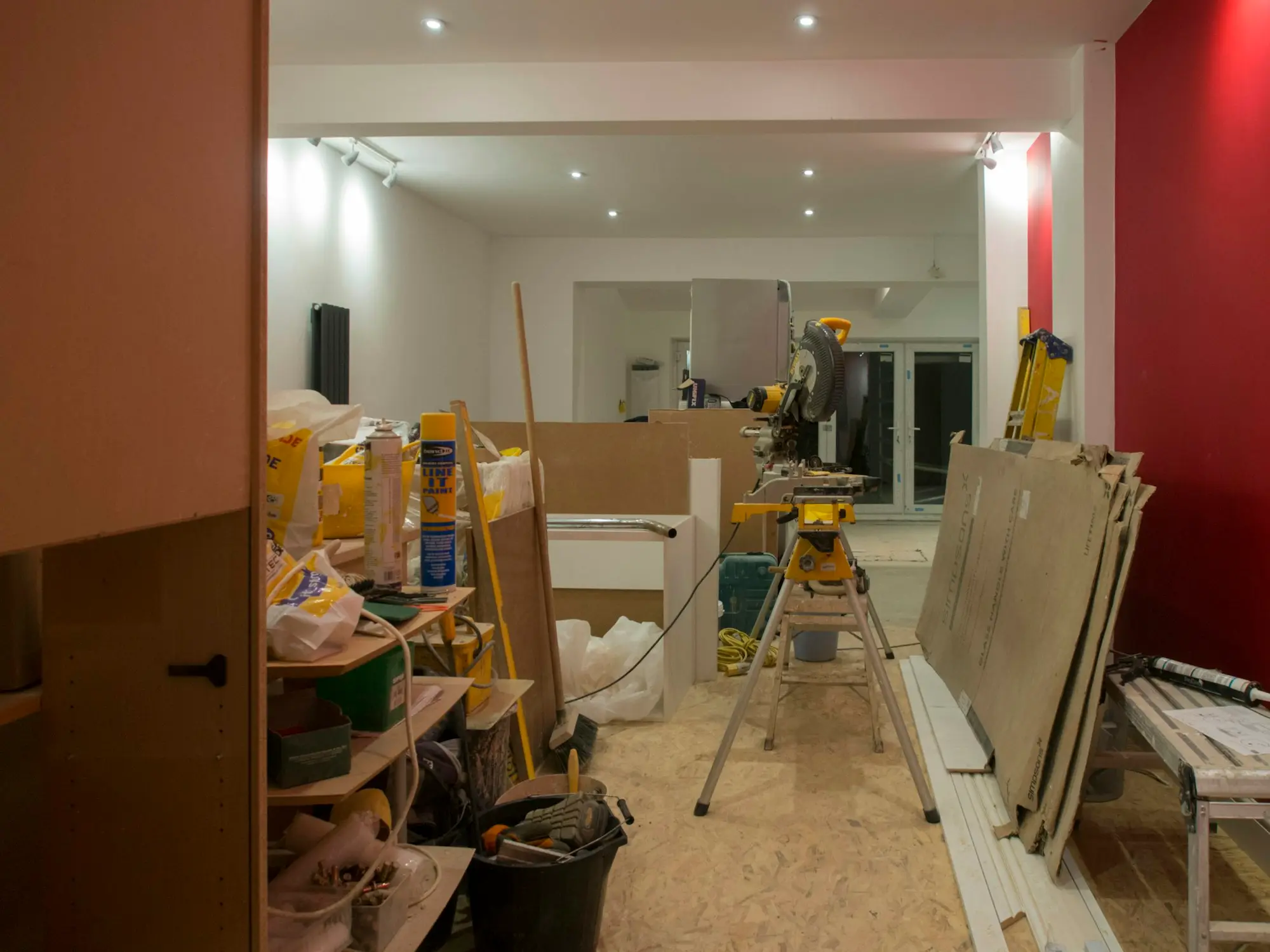
Before the first customer walks in, a new room has already cost a fortune. Joinery, flooring, lighting, plumbing, signage, shelving, the till, the coffee machine, the compliance certificates. Meanwhile the landlord has often started the clock on rent. A fit-out is the clearest case of money going out well before money comes in.
What does a fit-out really cost?
The builder’s quote is a start, not a total. Build the real budget in layers:
- Construction and joinery, including design, approvals and trades.
- Equipment and fixtures: ovens, display cabinets, treatment beds, racks.
- Technology: point of sale, security, internet, phones.
- Signage and branding.
- Stock for opening day.
- Rent and outgoings during the fit-out, which may begin before trading.
- Wages and training before the doors open.
- Contingency for variations and delays.
If you are replacing an old fit-out, the layers are the same. The only difference is that you may lose trading days while the work happens.
What is the money gap in a fit-out?
The gap has two parts: the build cost and the dead time. Dead time is every week you pay rent, wages or loan repayments without income.
An illustration with no real business involved: a physio clinic plans a $60,000 fit-out expected to take six weeks. Rent runs at $4,500 a month from day one, and the owner pays a receptionist for two weeks of training. After opening, bookings take about six weeks to build to a comfortable level. The money needed covers the build, about six weeks of dead rent and wages, and perhaps six weeks of thin trading afterwards. That is far more than the quote.
The Dough gap calculator can help you test a version of this, treating the fit-out as the one-off cost and your monthly overheads as the fixed costs.
Which funding routes suit a fit-out?
| Scenario | Likely fit |
|---|---|
| Refreshing an existing, trading premises | Cash-flow loan sized on turnover |
| Moderate fit-out, established business | Unsecured funding, typically $5,000 to $500,000 |
| Larger build or a brand-new venture | Property-backed funding, $20,000 to $5,000,000 |
| Staged work over months | Line of credit, draw as invoices arrive |
Business.gov.au says lenders look at your business plan, your financial health and your cash flow. For a new space, a clear plan (what the room will earn, when, and how the lease supports it) matters as much as the statements.
How should the funding match the lease?
Three alignments matter.
- Term. If the lease is five years, a repayment plan that finishes in one or two years is demanding, but one that outlasts the lease is risky. Find the balance with your adviser.
- Rent-free periods. Some landlords offer incentives for fit-out time. Check whether you have one and use it.
- Make-good clauses. Some leases require you to remove the fit-out at the end. That can be a real cost, so read the lease with your solicitor.
How do I protect the business during the build?
- Keep the existing business funded. If you are expanding, make sure the main site’s cash is not what pays for the new room.
- Pay the builder in line with milestones, not up front.
- Stage non-essential extras for after opening.
- Keep a buffer of weeks of runway for the opening months. The calculator on this site shows runway in weeks.
Also keep your tax obligations in mind: GST credits on fit-out purchases flow back through your BAS, but the timing is not instant. Your accountant can help you plan it.
When is the right time to arrange funding?
Before you sign the builder’s contract. Funding that is arranged while your statements look strong, and before you are committed to payments, gives you more choice. A fit-out already half-built, with the builder chasing a payment, leaves you only with urgent options.
For stage-paid projects, a facility you can draw as each invoice arrives often fits better than a lump sum you start paying interest on immediately. Our page on the business line of credit explains the difference.
What are some practical ways to trim the bill?
Fit-outs can often be done for less without hurting the result:
- Get several quotes with the same scope, so you compare like with like.
- Phase the work. Open with the essentials and add display extras, signage upgrades or a second treatment room later.
- Consider second-hand fixtures and equipment where condition is verifiable. Business.gov.au suggests considering second-hand items for equipment.
- Negotiate with the landlord. Rent-free periods or a fit-out contribution are sometimes available. See our page on equipment funding for lease versus buy thinking.
- Protect the schedule. A week’s delay can cost more in rent and wages than the savings from a cheaper contractor.
Every dollar you avoid spending is a dollar you do not have to borrow, repay or earn back before the room turns a profit.
Next step
Tell us about the project: the premises, the budget, the timeline and the trading you expect. Start your enquiry and a lending specialist will read it and call. There is no credit check just to ask, and your details are not sprayed around a crowd of lenders.
Precise numbers, from the real quote and the real lease, mean the first call can go straight to the right option. See if you qualify before you sign the build contract.
Frequently asked questions
Can I borrow to fit out a shop or cafe?
Yes. Fit-outs are a common business purpose. Lenders look at your turnover and statements, and for a new site they also want to understand the plan and the lease.
How much should I budget beyond the quote?
Allow a contingency for variations and delays, plus rent and wages during the fit-out. Many owners are caught by costs that fall between the builder's quote and the opening day.
What if the build runs late?
Late builds mean more rent and wages with no income. Ask your builder about timelines and build a buffer into the funding.
Can a new business fund a fit-out?
It is harder without trading history. Property can help, as can a staged approach. See our page on new business loans.
Does the lease affect funding?
It can. A longer, secure lease gives comfort that the investment will be used; a short lease raises questions about payback.